
If you’re a Linux user who wants to play Windows games on Steam, Proton for Linux makes it possible. This guide will walk you through installing Proton on Linux and accessing a wide range of games through Steam Proton without having to switch operating systems.
What is Proton on Linux?
Proton is a compatibility layer developed by Valve, allowing Windows applications and games to run on Linux. By integrating technologies like Wine and DirectX, Proton enables Linux users to access Windows-exclusive software, significantly expanding gaming options. The development of Proton has been significant for the gaming community, particularly those using Linux, as it has helped bridge the gap between Windows and Linux gaming, providing more options and flexibility. In the next section, let’s take a look at the step-by-step process of how to install it.
Guide to Installing Proton on Linux
It’s primarily used through the Steam client, and installing it is relatively straightforward. Here’s a general guide on how to install and use Proton on Linux.
#1 Install Steam
Open a terminal window and add the multiverse repository by running the following commands:
sudo add-apt-repository multiversesudo apt updateExample output:
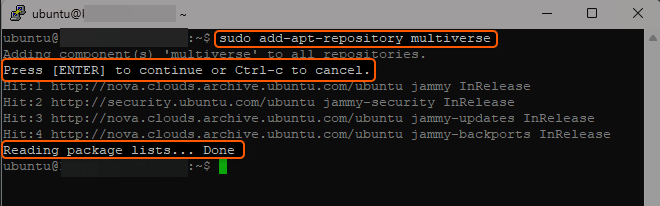
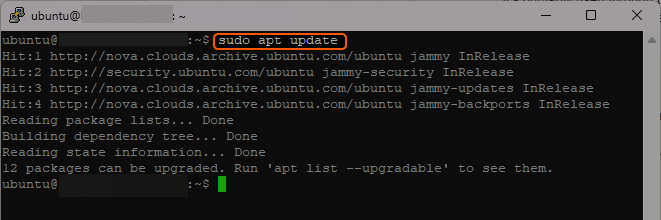
Install Steam with the command:
sudo apt install steamExample output:
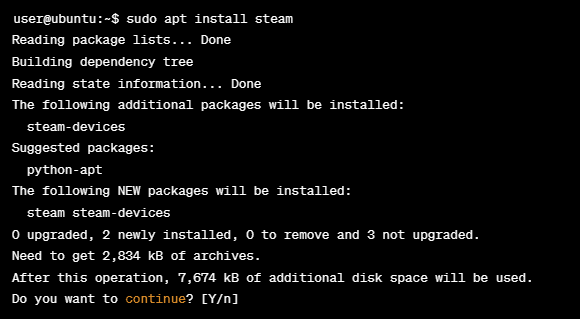
Next, launch Steam and log in to your account. For detailed instructions, please refer to the guide in the following section.
#2 Enable Steam Play
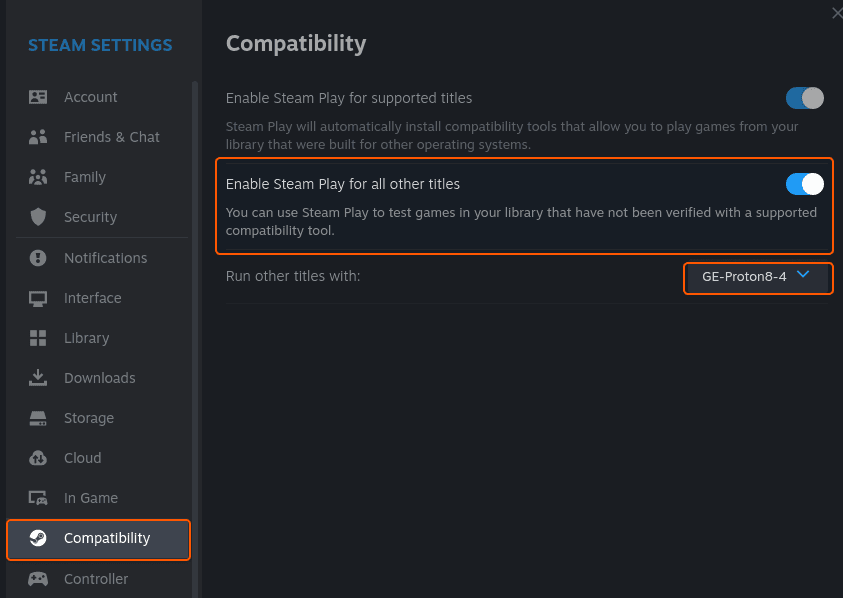
To enable Steam Play for all titles and choose the latest version of Proton on Steam, you’ll need to follow these steps. First, log into Steam using your login credentials. Then, click on “Steam” in the top-left corner, and select “Settings”.
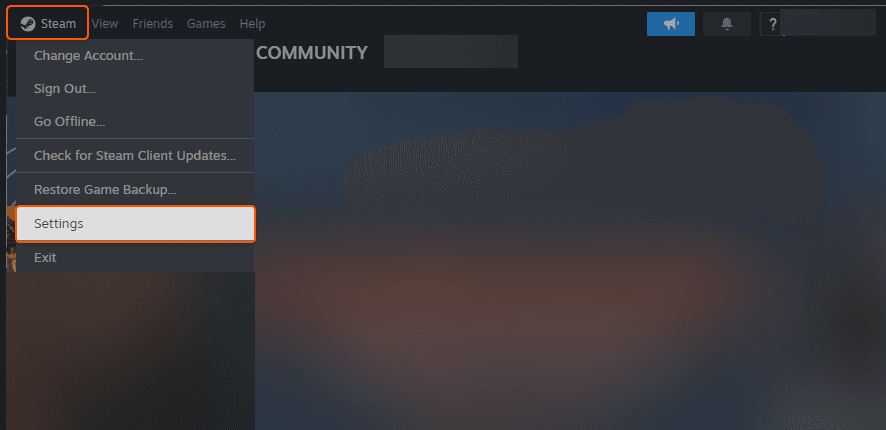
Go to the “Compatibility” settings, then locate the “Steam Play” section. Toggle on the “Enable Steam Play for all other titles,” choose the latest Proton version from the dropdown menu, click “OK,” and restart Steam.
#3 Install Windows Games
With Steam Play enabled, you can install and play many Windows games directly from your Steam library. Simply click “Install” on a Windows game as you normally would, and Steam will use Proton to run the game on Linux.
That’s it! You’ve successfully installed Proton and can now play Windows games on your Linux machine! Proton is designed specifically for this purpose, and while most games run smoothly, some may require specific tweaks. Websites like ProtonDB offer detailed information about individual games, giving you insights into the compatibility of each game you want to run on your Steam account. This valuable resource contributes to a smoother gaming experience on your Linux system.
Conclusion
Looking to deploy Linux in the cloud? With Gcore Cloud, you can choose from Basic VM, Virtual Instances, or VPS/VDS suitable for Linux:
- Gcore Basic VM offers shared virtual machines from €3.2 per month
- Virtual Instances are virtual machines with a variety of configurations and an application marketplace
- Virtual Dedicated Servers provide outstanding speed of 200+ Mbps in 20+ global locations
Related articles





Imagine discovering that migrating your company's data to a new cloud provider will cost hundreds of thousands of dollars in egress fees alone, before you've even touched the re-engineering work. Or worse, picture being in Synapse Financial

Subscribe to our newsletter
Get the latest industry trends, exclusive insights, and Gcore updates delivered straight to your inbox.