



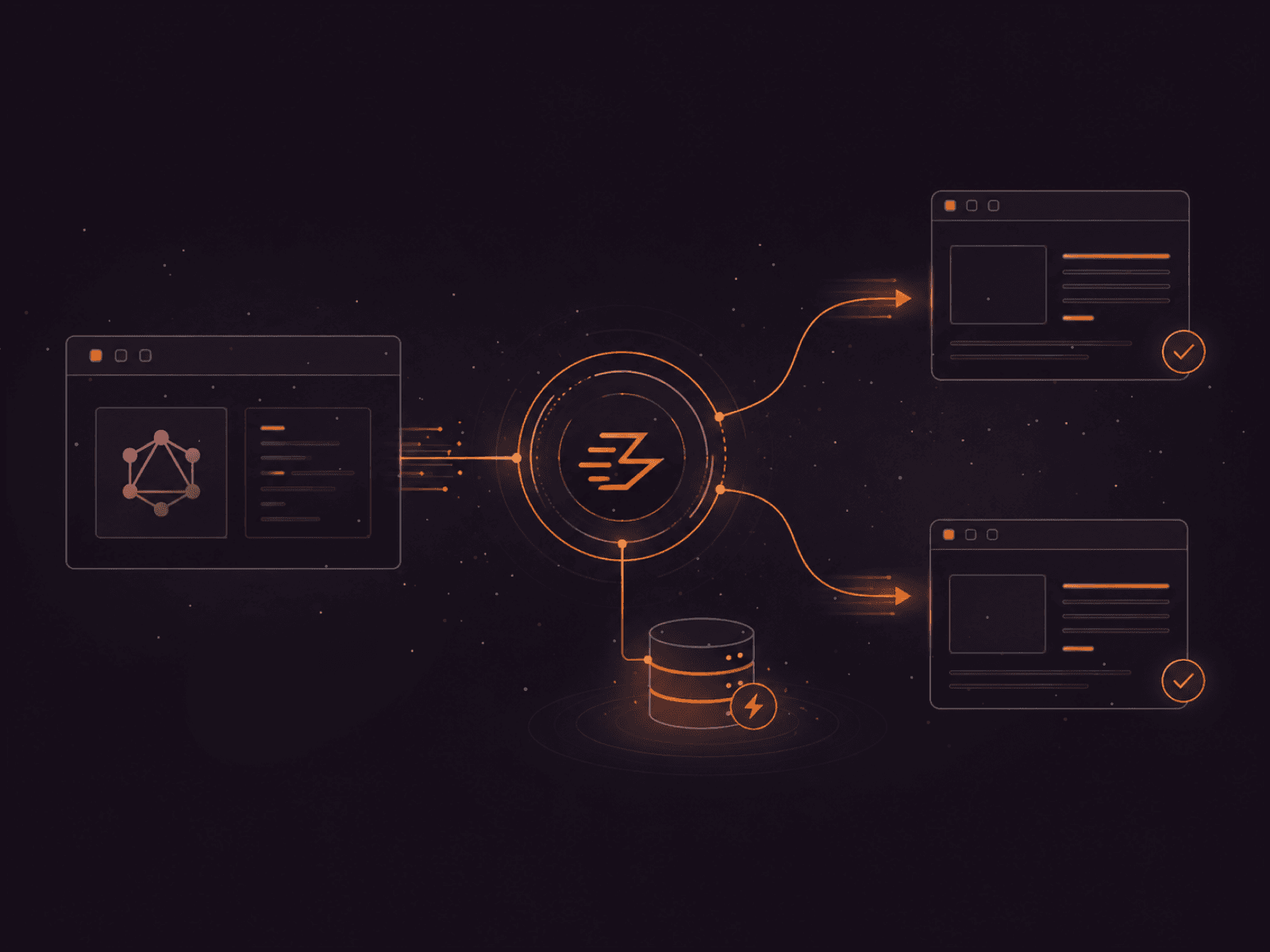
Running compute at the edge means you can transform and optimize content before it reaches your users — with sub-millisecond cold starts and no additional infrastructure. Every FastEdge worker runs on WebAssembly, providing sandboxed, predictable performance across all edge locations.
This post explores GraphQL Proxy and Caching at the Edge — a capability that demonstrates the power of edge computing for content transformation.
The Idea
Proxy and cache GraphQL queries at the edge — reduce origin load by intelligently caching responses based on query structure and variables.
By processing at the edge, you eliminate round-trips to origin servers for transformation workloads. A user requesting content in Tokyo gets it processed at the Tokyo PoP, not at a central server in Frankfurt or Virginia.
Implementation
Here is the core implementation pattern:
Performance Benefits
- Zero additional infrastructure — runs on the existing edge network, no servers to provision.
- Sub-millisecond cold starts — Wasm starts faster than any container-based solution.
- Process at the closest PoP — minimal latency regardless of user location.
- Offload origin servers — transformation happens at the edge, reducing compute costs by up to 80%.
Automatic scaling — the edge network scales with demand, no capacity planning needed.
Note: All FastEdge patterns compile to WebAssembly and run in a sandboxed environment with predictable, sub-millisecond performance characteristics. The binary size is typically 50–200 KB, making deployment fast and edge storage minimal.
Related articles






Subscribe to our newsletter
Get the latest industry trends, exclusive insights, and Gcore updates delivered straight to your inbox.