



On-the-fly Image Optimization at the Edge
- August 26, 2026
- 2 min read
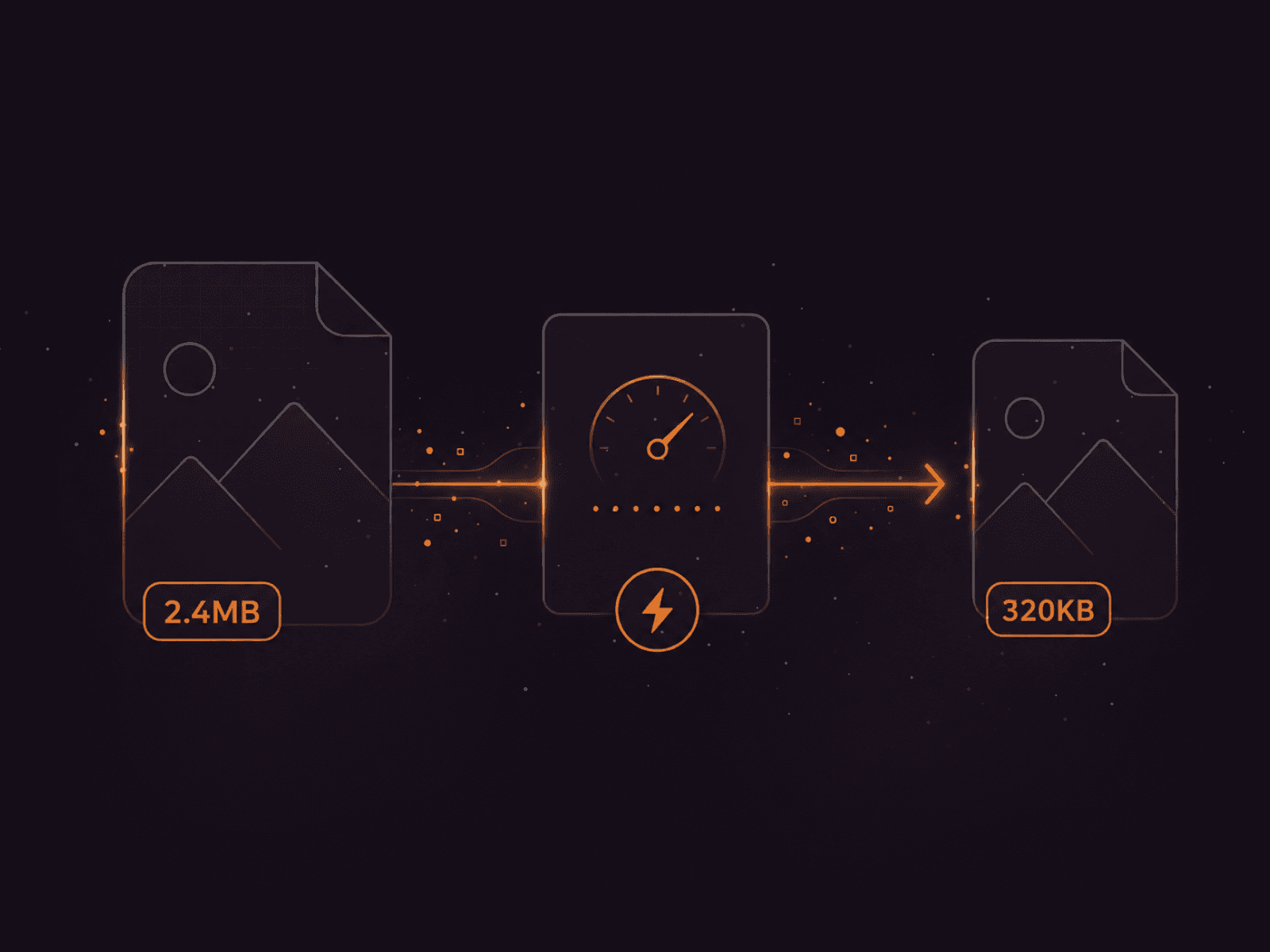
Running compute at the edge means you can transform and optimize content before it reaches your users — with sub-millisecond cold starts and no additional infrastructure. Every FastEdge worker runs on WebAssembly, providing sandboxed, predictable performance across all edge locations.
This post explores On-the-fly Image Optimization at the Edge — a capability that demonstrates the power of edge computing for content transformation.
The Idea
Resize, crop, and convert images at the edge — serve WebP to modern browsers automatically without backend changes.
By processing at the edge, you eliminate round-trips to origin servers for transformation workloads. A user requesting content in Tokyo gets it processed at the Tokyo PoP, not at a central server in Frankfurt or Virginia.
Implementation
Here is the core implementation pattern:
use fastedge::{
    body::Body,
    http::{Request, Response, StatusCode, Error},
};

#[fastedge::http]
fn main(req: Request<Body>) -> Result<Response<Body>, Error> {
    let path = req.uri().path().to_string();

    // Check if the client accepts WebP
    let accept = req.headers()
        .get("accept")
        .and_then(|v| v.to_str().ok())
        .unwrap_or("");

    let wants_webp = accept.contains("image/webp");

    // Build the response with optimal format
    if wants_webp && path.ends_with(".jpg") {
        // Convert on-the-fly — no pre-processing needed
        let webp_path = path.replace(".jpg", ".webp");

        // Fetch the converted image from the edge
        return handle_image(&webp_path);
    }

    handle_image(&path)
}

fn handle_image(
    path: &str
) -> Result<Response<Body>, Error> {
    Response::builder()
        .status(StatusCode::OK)
        .header("content-type", mime_type(path))
        .body(Body::from(fetch_asset(path)))
}

fn mime_type(path: &str) -> &'static str {
    if path.ends_with(".webp") {
        "image/webp"
    } else if path.ends_with(".jpg") || path.ends_with(".jpeg") {
        "image/jpeg"
    } else if path.ends_with(".png") {
        "image/png"
    } else if path.ends_with(".avif") {
        "image/avif"
    } else {
        "application/octet-stream"
    }
}
Performance Benefits
- Zero additional infrastructure — runs on the existing edge network, with no servers to provision.
- Sub-millisecond cold starts — WebAssembly starts faster than container-based solutions.
- Process at the closest PoP — minimal latency regardless of user location.
- Offload origin servers — transformation happens at the edge, reducing compute costs by up to 80%.
- Automatic scaling — the edge network scales with demand, with no capacity planning needed.
Note: All FastEdge patterns compile to WebAssembly and run in a sandboxed environment with predictable, sub-millisecond performance characteristics. The binary size is typically 50–200 KB, making deployment fast and edge storage minimal.

Related articles




Subscribe to our newsletter
Get the latest industry trends, exclusive insights, and Gcore updates delivered straight to your inbox.