



Building on our presence in Central Asia: Gcore at the Luxembourg Trade Mission to Kazakhstan and Uzbekistan
- November 6, 2026
- 4 min read
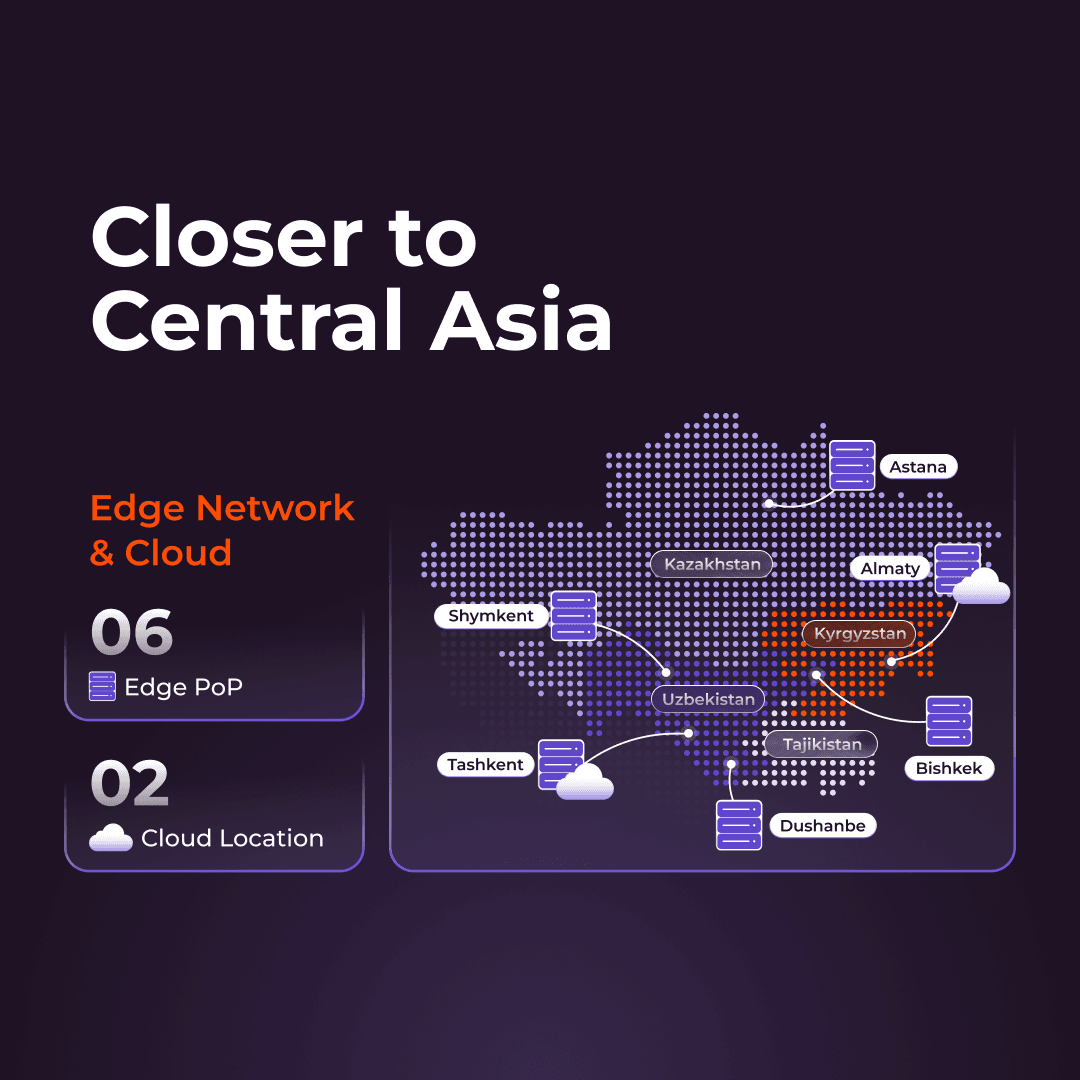
Gcore took part this autumn in the Luxembourg Chamber of Commerce Trade Mission to Kazakhstan and Uzbekistan, its second since the first mission three years ago. Dainis Lukasevics, Senior Business Development Director, visits Kazakhstan two to three times a year, so the trip was less about discovery than about scaling. “This mission was no longer about discovering opportunities,” he says. “It was about scaling our business. ” Over those three years, revenue from core infrastructure services in Kazakhstan (CDN, cloud, hosting, bare metal and connectivity) has grown more than five times. Last year Gcore also secured one of its largest AI infrastructure deals.
Kazakhstan turned out to be further along than many Europeans would expect. Digital banking, payments and AI adoption are ahead of several European countries, and major global technology companies are entering the market and localizing their services. That confirms the market’s potential, and it also means competition is getting stronger. Both Kazakhstan and Uzbekistan are moving fast, and demand for advanced infrastructure keeps growing. During the mission, Gcore met enterprises, telecom operators, financial institutions and technology companies, and identified several promising opportunities in AI infrastructure, cloud localization and digital transformation.
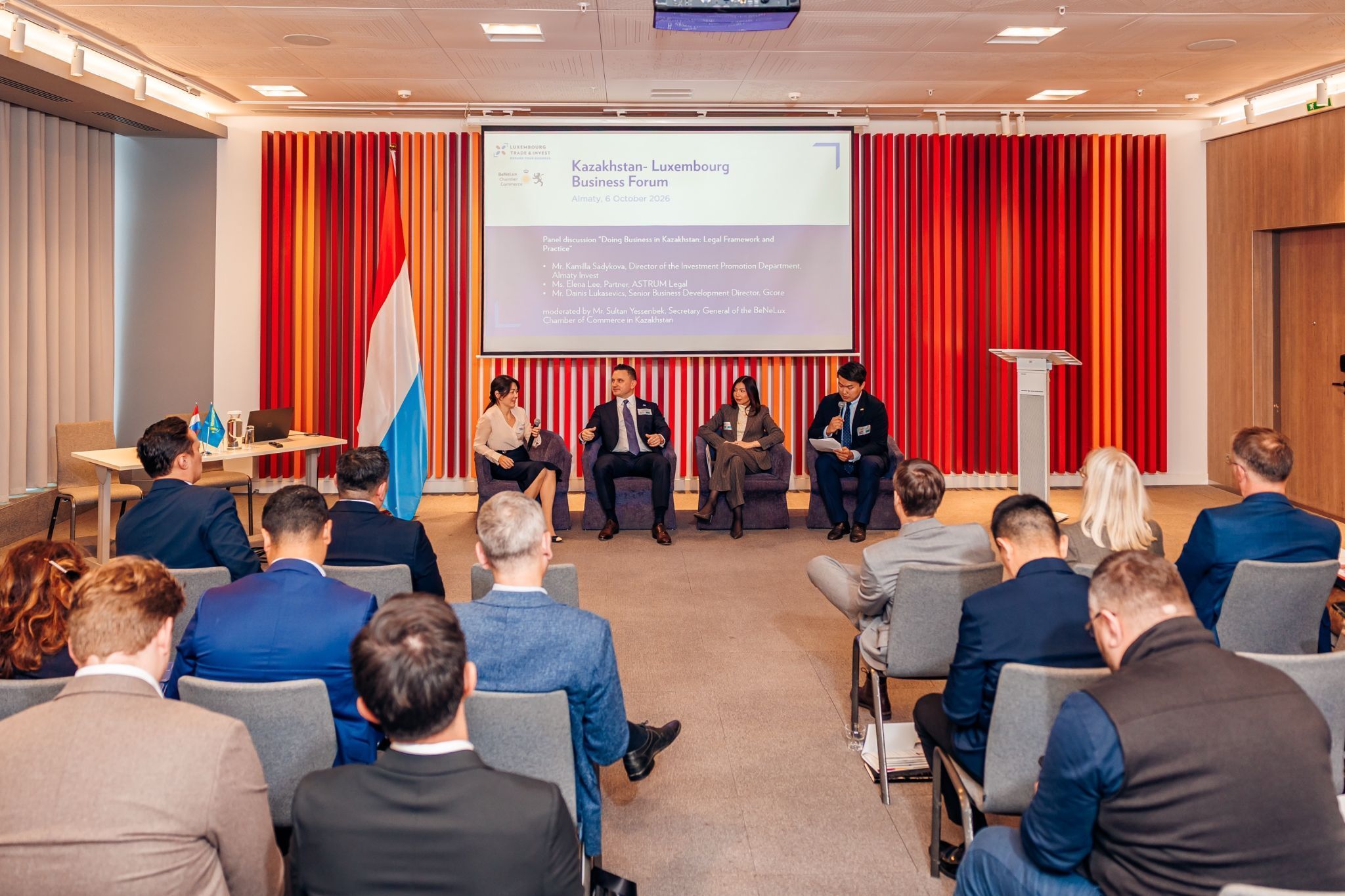
Most of Gcore’s customers in Kazakhstan are banks, fintech companies, online trading platforms and gaming companies. For these businesses, infrastructure problems show up directly in revenue and in the customer experience, so their priorities are clear: low latency, high availability, protection against DDoS attacks and other cyber threats, and infrastructure and storage close to their users. They also need room to grow without losing performance. Many of them also expect technical sophistication and fast execution from a provider, and they want proof that it intends to stay. Earning that trust was the biggest challenge when Gcore entered the market.
That is why localization sits at the center of Gcore’s offer in the region. Customers get CDN, cloud, connectivity and cybersecurity from one provider that combines global infrastructure with local capabilities, including local storage and CDN capacity. As demand from fintech, retail banking, online trading and gaming grows, Gcore continues to expand its capacity in the country, including storage, WAF, DDoS protection and CDN. Cloud localization and sovereign cloud were also on the agenda in many of the mission’s conversations, along with partnerships with local data centers and telecom operators.
The same customers are now asking for more than Cloud based infrastructure. Interest in AI is growing across financial services, healthcare, enterprise automation and software development, and startups are working on AI assistants, industry-specific models, data analytics and automation. Demand is also changing in character. Companies are moving from experiments to production workloads, and they need GPU capacity along with a complete AI infrastructure stack, predictable performance and reliable long-term access to compute. Kazakhstan is investing heavily in national AI infrastructure, including large GPU clusters and data center projects, and Gcore sees the region becoming an important AI hub between Europe and Asia.
One result of the mission is already moving forward. Gcore concluded discussions with Almaty Hub, and the first joint project is under way. Gcore will support the hub’s first group of startups with its cloud and security infrastructure, helping them scale their products beyond the local market.
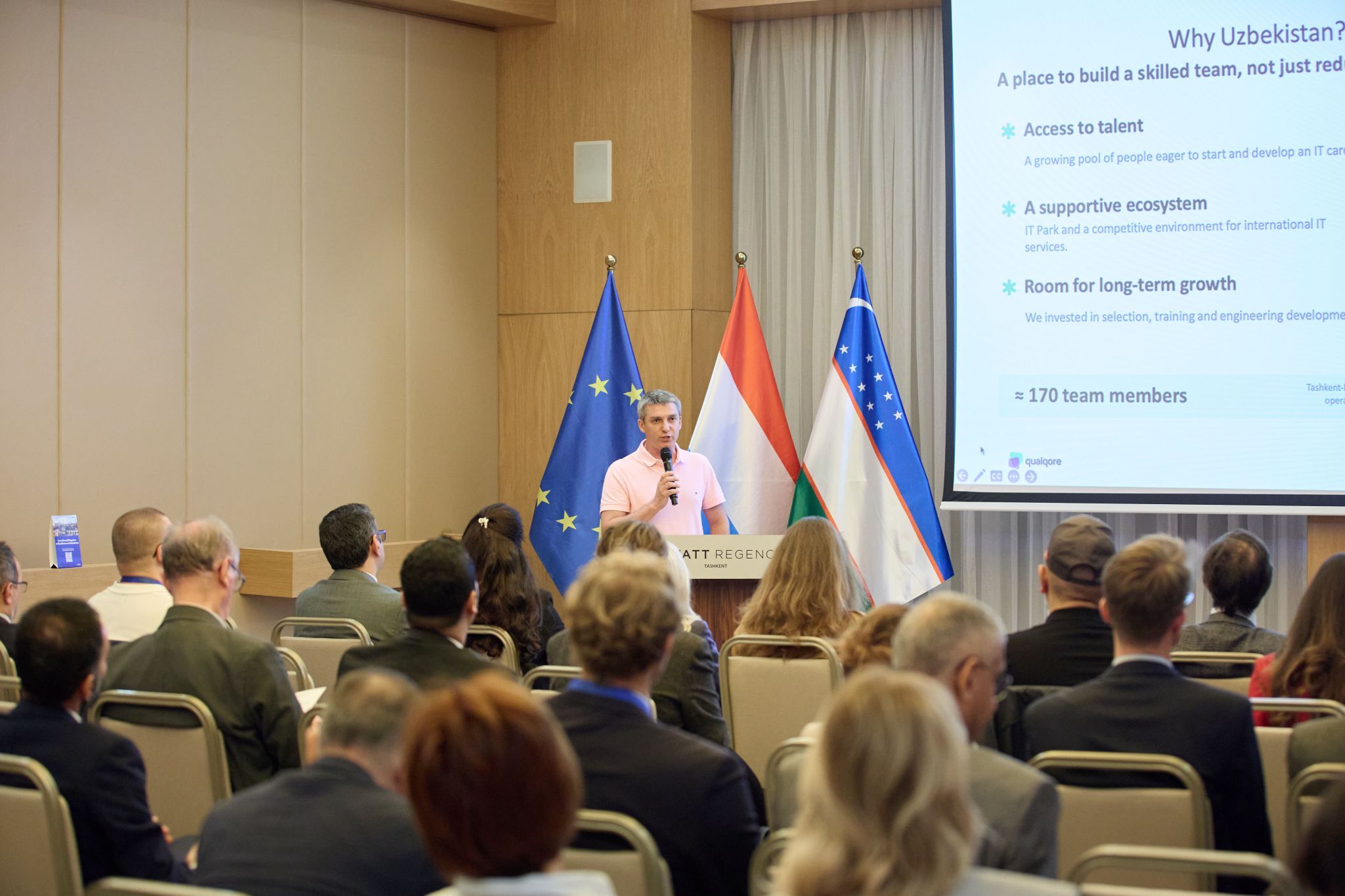
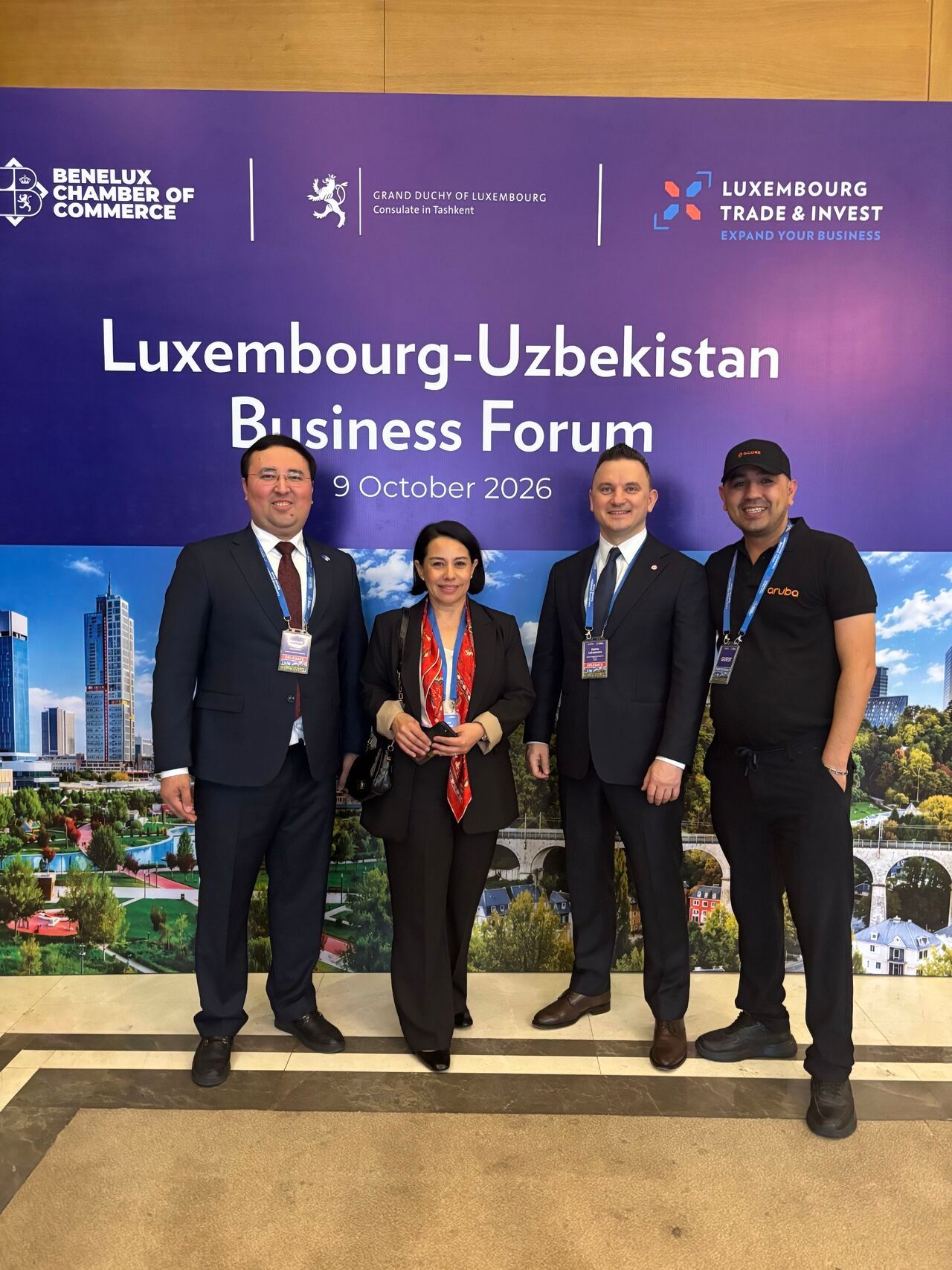
Uzbekistan offered a different view of the company. Gcore’s Tashkent office is home to 170 QA professionals, so the country is part of how Gcore builds its products. At the Luxembourg–Uzbekistan Business Forum, General Manager Gleb Grigorian told the story of Gcore’s growth there and welcomed the delegation to the office. The visit also included a meeting with a pharmaceutical customer that uses Gcore’s GPU infrastructure to speed up scientific research and drug discovery.
Advice for European companies
At the Luxembourg/Kazakhstan Business Forum, Lukasevics shared what Gcore has learned from three years of building partnerships on the ground, and he has four pieces of advice for European companies considering the region. The first is to show long-term commitment: services need to be localized, relationships need time, and customers need to see that a company intends to stay. The second is to find the right local partner, someone who understands the business culture, the regulations and what customers expect. The third is to land a first reference customer, because reputation carries a great deal of weight in Kazakhstan and one successful project can open doors across an industry. The fourth is to be there in person, since regular meetings and direct conversations make a real difference.
He adds that both countries are closer to Europe than many companies realize, and that the Benelux countries already have a strong business presence in the region. “Don’t be afraid to enter this market, and don’t underestimate its potential,” he says. Gcore’s next steps follow from the trip. The company will keep investing in local infrastructure across CDN, cloud, storage, WAF, DDoS protection and connectivity, and will work with enterprises, startups and infrastructure partners to provide GPU capacity and AI platforms. It will also deepen its cooperation with financial institutions, telecom operators, data centers and technology companies in both countries, and help businesses in Central Asia connect to Gcore’s global infrastructure and grow internationally.
Thank you again to the Luxembourg Chamber of Commerce, IT Park Uzbekistan, the BeNeLux Chamber of Commerce in Kazakhstan and the BeNeLux Chamber of Commerce Uzbekistan, along with all the organizers and partners, for the warm welcome.

Related articles

“There’s smoke coming under the door. I’m on the third floor. No, the fourth. There are kids in the building.” Imagine that call reaching a fire and rescue control room, with the caller struggling to get their account straight. The ope



A rented game server or cloud application may give you little more than an IP address and a port. Traditional routed DDoS protection usually assumes much more: an ASN, your own /24 of IPv4 addresses, a signed Letter of Authorization, and a

Subscribe to our newsletter
Get the latest industry trends, exclusive insights, and Gcore updates delivered straight to your inbox.